
35 Years of X-Men #1, Highest Selling Comic Ever
Posted on August 13, 2026
by Eric S
If you had to guess the best-selling comic book of all time, what would you say? Surely it has to be an issue of Batman or Superman, right? Even Spider-Man? Well, at 8.1 million copies, X-Men #1 from 1991 still holds that record, and considering shifts in how comics are consumed in recent years, it’s a record unlikely to be broken anytime soon. Obviously, having this distinction is a pretty big deal, but the sales numbers alone do not convey how terribly interesting this single issue truly is.
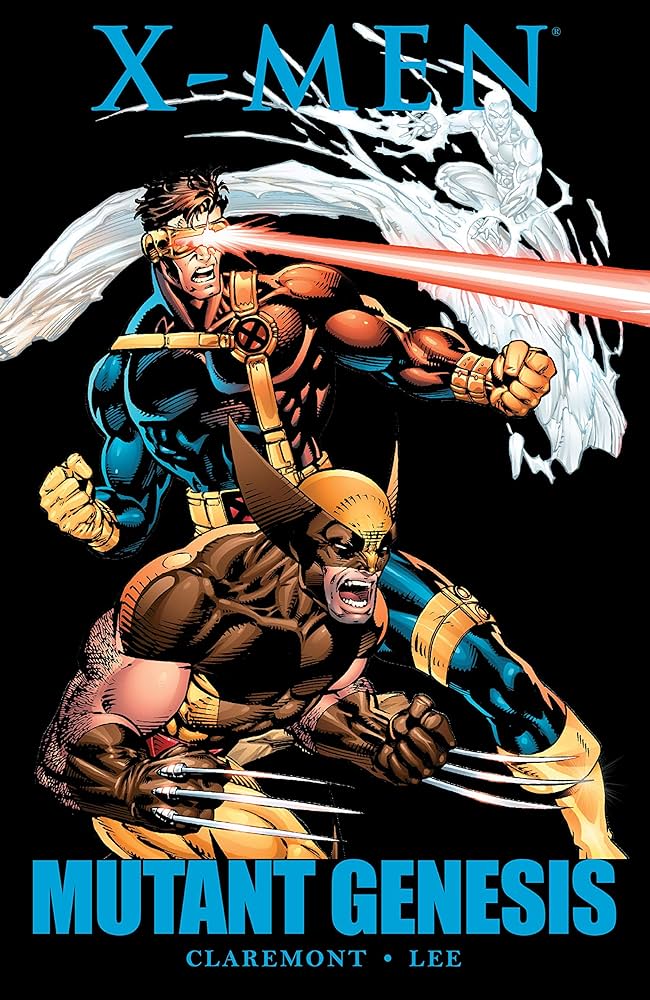
Written by legendary X-Men scribe Chris Claremont and drawn/co-plotted by Jim Lee (with inks by Scott Williams, colors by Joe Rosas, and letters by Tom Orzechowski), X-Men #1 was certainly a huge cultural moment in mainstream superhero comics when it came out in 1991, but it’s impossible to appreciate its impact without looking at the lead-up and aftermath. For much of comic history (at least from the ‘60s onward), there has been an ever-evolving debate as to who is the most important contributor to a comic: the writer or the artist.
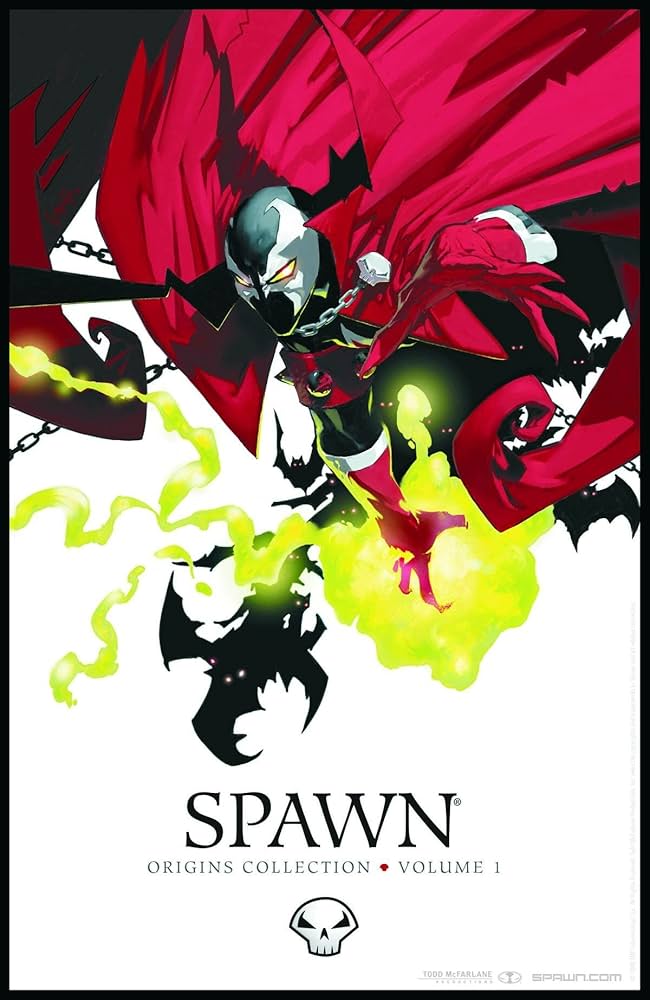
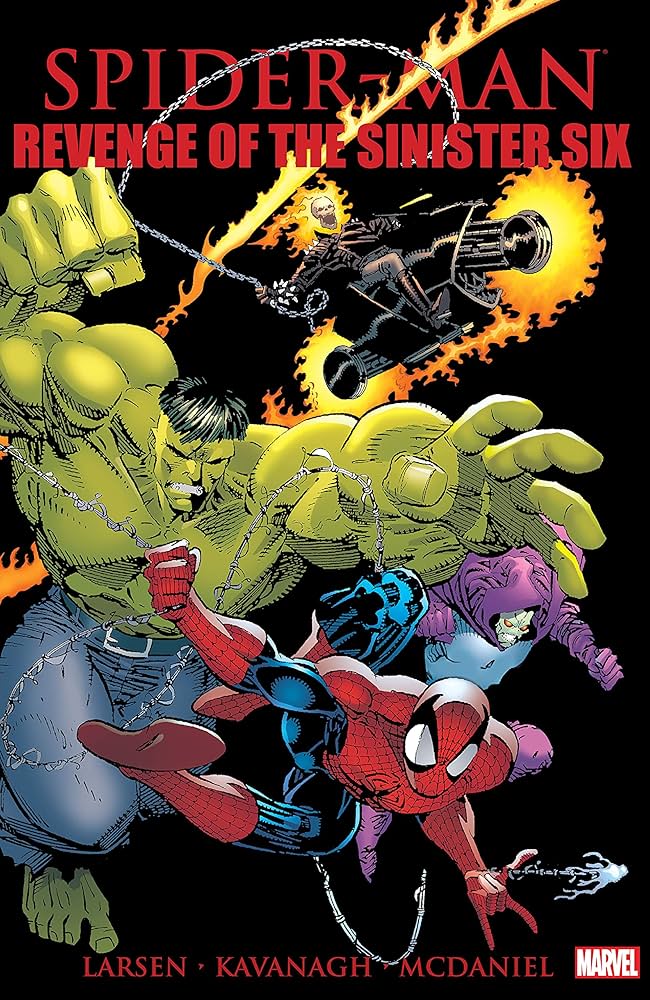
When Chris Claremont started writing Uncanny X-Men in 1975, he (for better or worse) sort of became the main driving force1 of the book—the auteur if you will—despite contributions from some fairly talented artists. While artists came and went, the book stayed at an impressively high level of quality, eventually becoming Marvel’s top-selling book, and the one thing that remained consistent was Claremont’s writing. However, things slowly started to change in the ‘80s as artists were beginning to assert themselves much more in terms creative direction. Instead of the Marvel “house style,”2 you started to see a batch of up-and-coming artists who developed a bolder, more extreme3 aesthetic that deviated from the norm and resonated with young readers. Artists like Michael Golden, Sam Kieth, Erik Larsen, Todd McFarlane, and Jim Lee would make a big mark on the comic book industry—and the latter of whom would find himself drawing his most beloved book from childhood, Uncanny X-Men. Pair this with shifts toward more adult comics (Watchmen, The Dark Knight Returns, Swamp Thing, Daredevil, etc.), and you have an audience that is increasingly receptive to more visceral, extreme, detailed, and experimental comic book art.
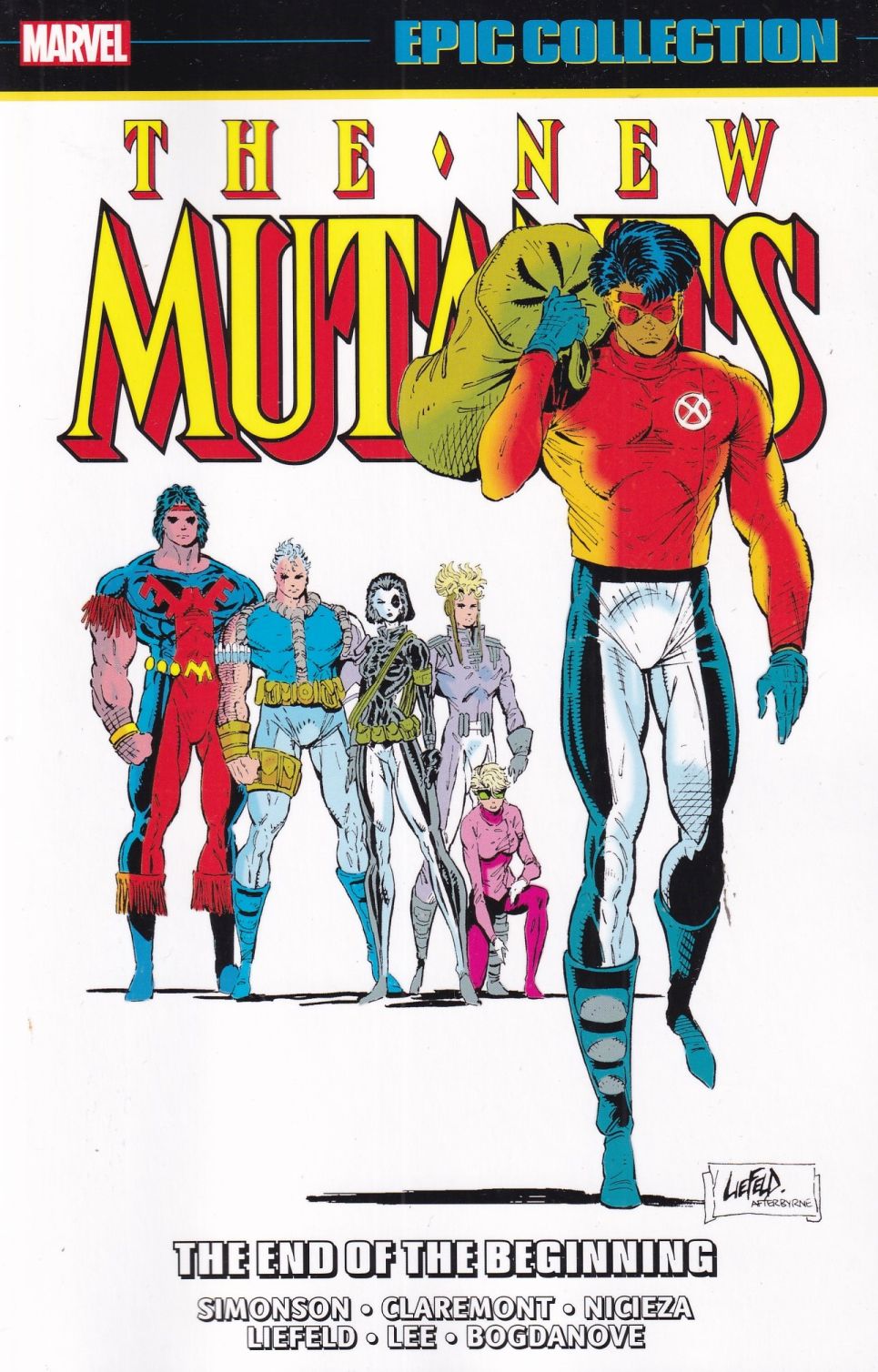
Jim Lee brought a youthful energy to Uncanny X-Men—every page was bold, intense, and, quite frankly, really cool. Along with Rob Liefeld on New Mutants/X-Force and Todd McFarlane on Spider-Man, Jim Lee was at the forefront of elevating the status of comic book artists. When it came time to create a second X-Men title in 1991, it was an obvious choice to once again pair Lee with Claremont, but the industry was starting to shift. Lee had been gradually given more creative control over Uncanny X-Men, so when X-Men (1991) was released 35 years ago this week, many of Claremont’s long-term plans for the characters were completely shut down (and to this day, they’ve never been allowed to truly come to fruition). X-Men #1 shipped with five different connecting covers, symbolic of the industry’s preoccupation with appearance over story, but it also represented the looming speculator bubble, in which comics were bought purely on the hope that they’d be worth a fortune in the future (spoiler: they’re not). The book certainly sold exceptionally well, but Claremont and Lee only stayed on X-Men for a few issues. Lee would go on to form Image Comics with Todd McFarlane, Erik Larsen, and other frustrated Marvel artists. Claremont would shift toward more independent comic publishers and also began writing novels.4 Today, both are considered legends of the industry.
While X-Men #1 did not singlehandedly change the comic book landscape, it was a huge moment that foreshadowed things to come. Throughout the ‘90s, much of mainstream comics became much more art-centric, with writers and plot taking a backseat. This led to some exciting comics, especially for impressionable kids at the time, but it’s hard to look back and not consider that maybe the industry sacrificed quality storytelling for flashy visuals—you know, style over substance. While the place of writers and artists has ebbed and flowed since this rather weird decade of comics, it seems that maybe we’re currently in a state of relative equilibrium. Today, fancy variant covers are big business (score one for the artists), but big-time authors like Robert Kirkman, Scott Snyder, Brian K. Vaughan, Jeff Lemire, and Ed Brubaker can sell books on their names alone (score one for the writers). And maybe that’s how it’s supposed to be.
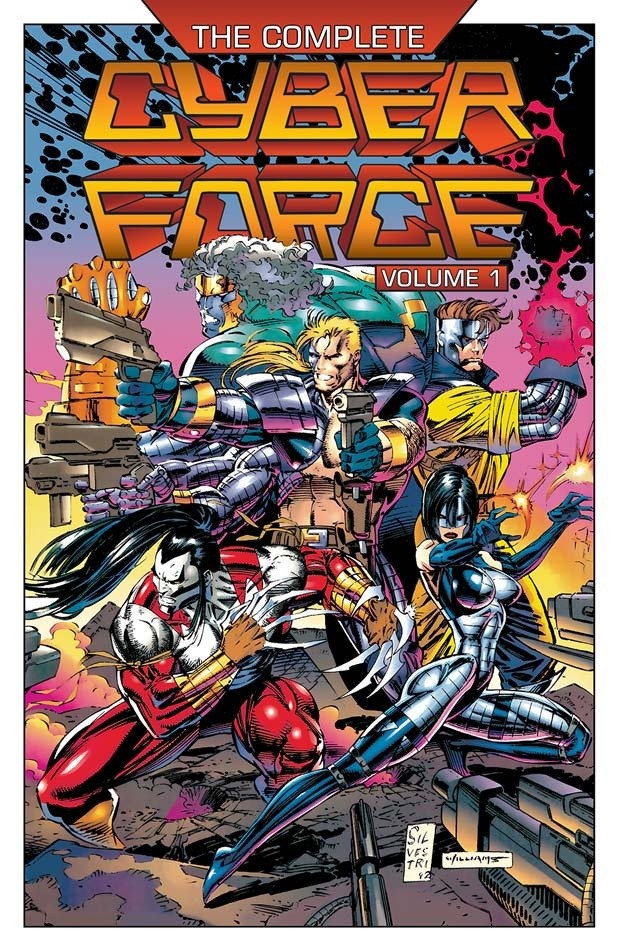
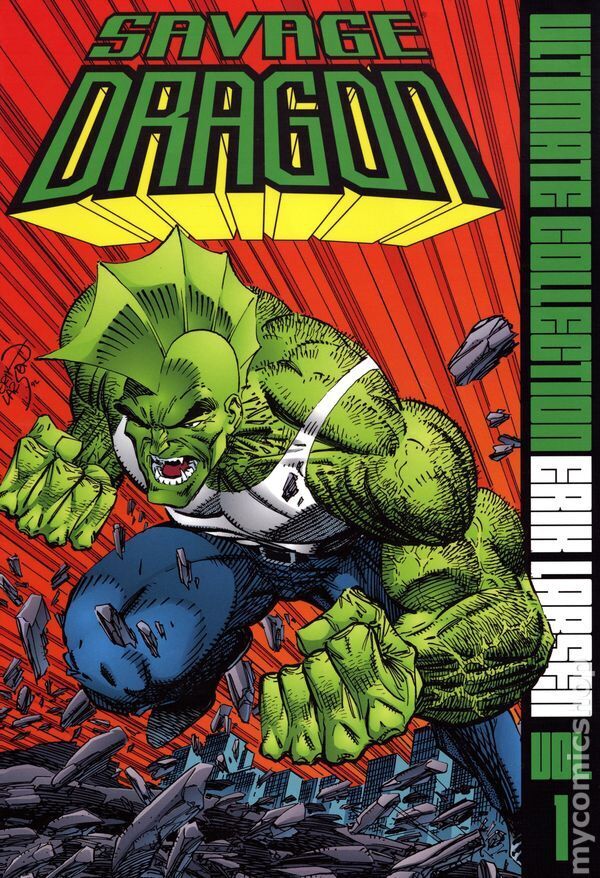
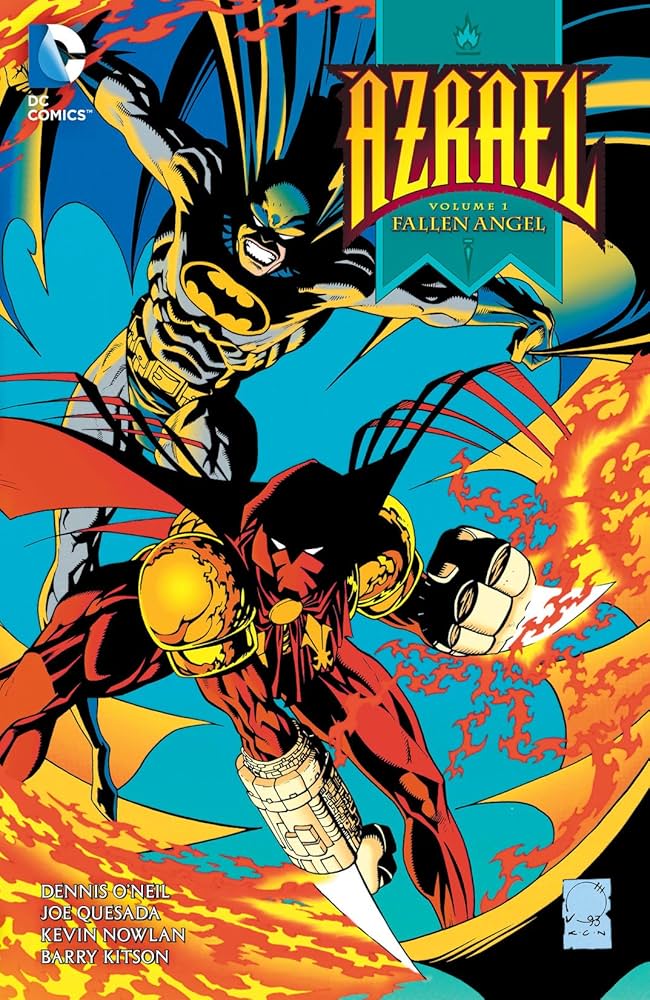
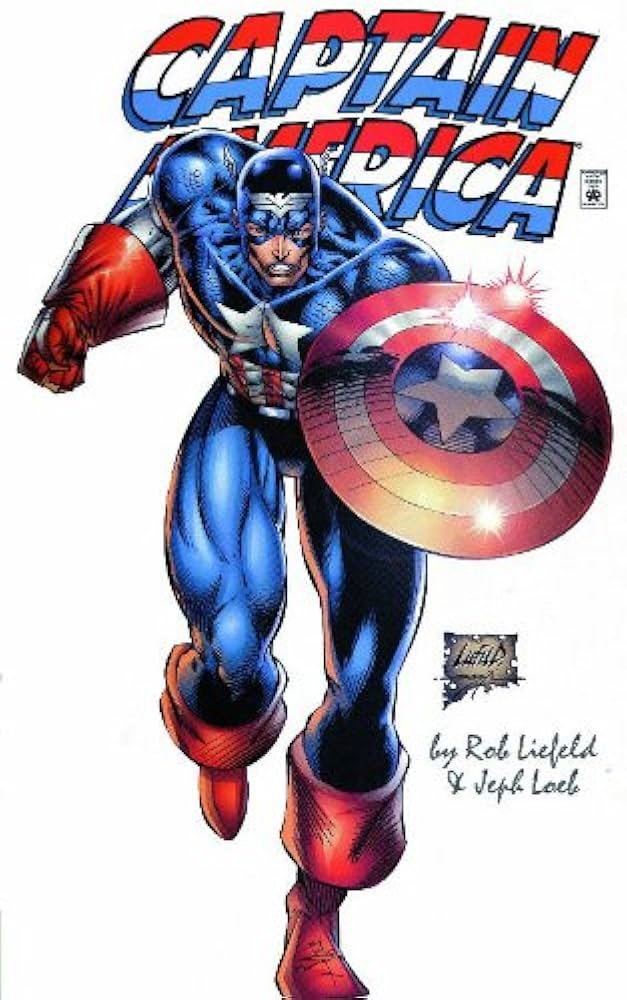
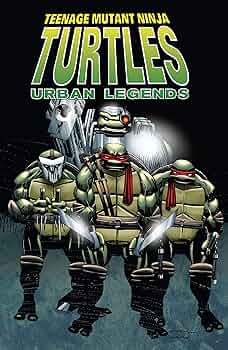
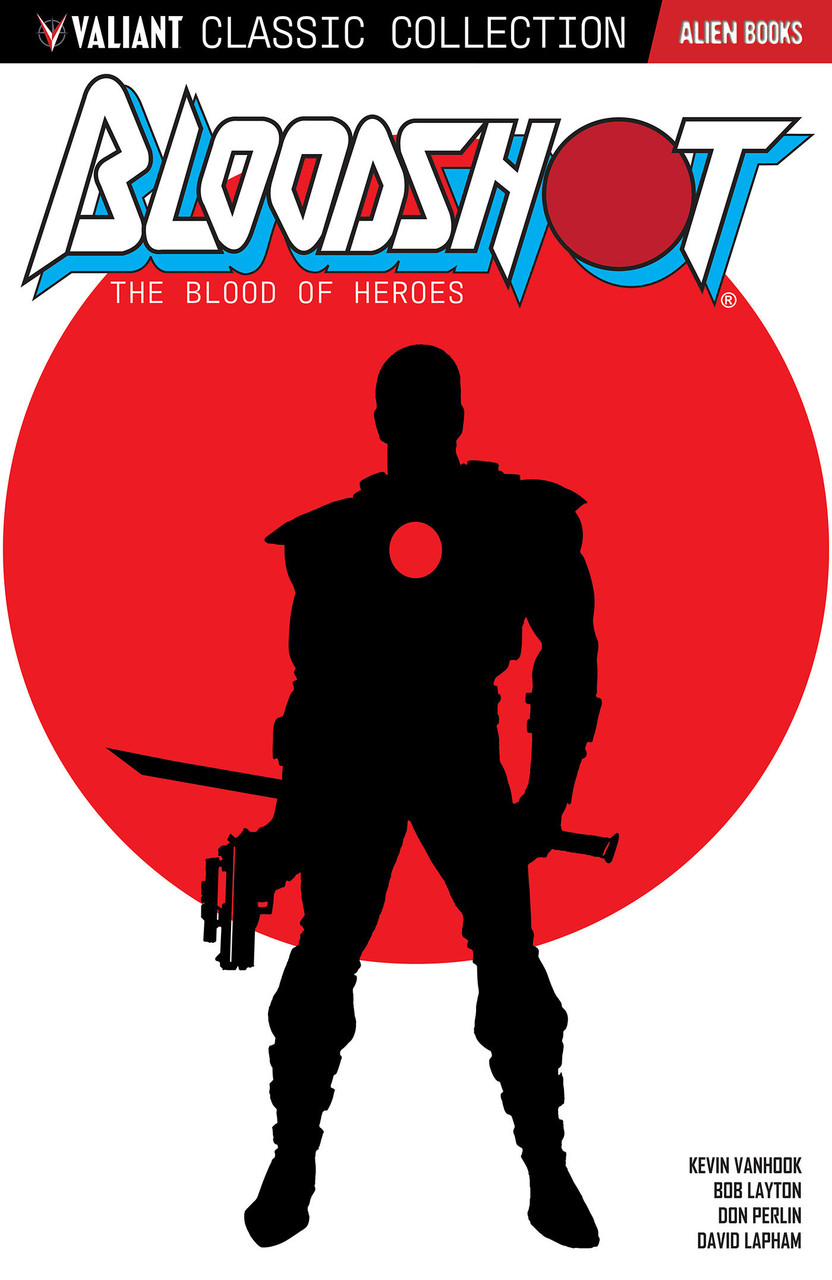
Below we’ve selected some of the most popular, memorable, and representative comics of this strange, wildly profitable decade of comics in which gimmick covers and unrealistically huge muscles were king.5
For more great comics, make sure to check out the offerings of your local branch as well as the hoopla app.
- This is sort of an oversimplification, because you have colorists, inkers, letterers, etc. who all factor into the final product. Editors Ann Nocenti and Louise Simonson in particular kept Claremont on track and coaxed some of the best stories out of him.
- The simple, iconic, and extremely similar art produced throughout much of the ‘70s by artists such as John Buscema, John Romita Sr., Ross Andru, and even early George Pérez. For long-time comic fans, this art carries huge amounts of emotional resonance.
- I hesitate to say “good,” but, you know…some of it was.
- Claremont and Lee would eventually come back to Marvel and the results were very mixed.
- And the hope that your comic collection would put your kids through college.
Did you like this blog post? Keep up to date with all of our posts by subscribing to the Library’s newsletters!
Keep your reading list updated with our book lists. Our staff love to read and they’ll give you the scoop on new tv-series inspired titles, hobbies, educational resources, pop culture, current events, and more!
Looking for more great titles? Get personalized recommendations from our librarians with this simple form.