
A Guide to Ten Distinctive Birds From Literature
Posted on May 12, 2026
by Eric P
This week is a big time for birding. But maybe you don’t own binoculars or a spotting scope or a cargo vest. Maybe you don’t want to venture among the bugs and weather and mud because it’s all a bit too outdoors for your tastes. Maybe you just prefer your birds to be more theoretical and less flying-around-your-head.
Fortunately, as a library, we have a fix for that. We offer access to a whole aviary of birds who exist solely as words on a page – less lovely birdsong, but also lower veterinary bills. Here’s a brief guidebook for all your literary birdwatching needs.
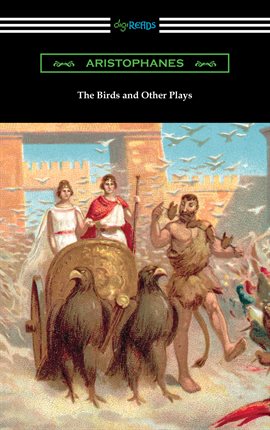
The Hoopoe in Aristophanes’ The Birds
(Upapa metamorphicus) Distinctive feathered crown; subject to moulting; can be convinced to build a great city in the sky, which is pretty impressive when you consider that most birds can’t even be convinced to stop pooping on your patio.
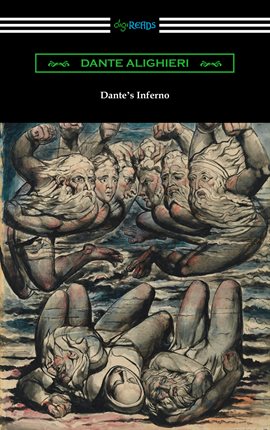
The Harpies in Dante’s Inferno
(Hybridia mythicus) Broad plumage, sharp talons, human faces. Feeds primarily on leaves, thorns, tortured souls, lamentations. Migratory patterns: summer in North America, winter in the seventh circle of hell.
Chauntecleer and Pertelote in Chaucer’s The Canterbury Tales
(Vaingloria bigamus) Iridescent plumage, long tail feathers, silver tongue, premonitions of doom. Neighbors complain of its intermittent crowing; spouses complain of its incessant talking.
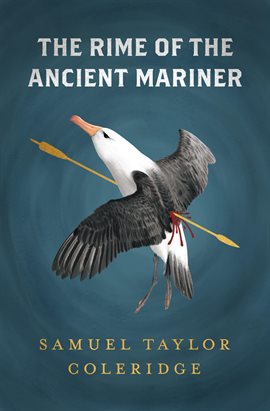
The albatross from Coleridge’s Rime of the Ancient Mariner
(Targetpractus badluckica) Distinguished by its large wingspan, webbed toes, and metaphorical significance. When worn around the neck, the bird is a stylishly gloomy accessory for fashion-forward seafarers, charmingly self-flagellating without being too showy.
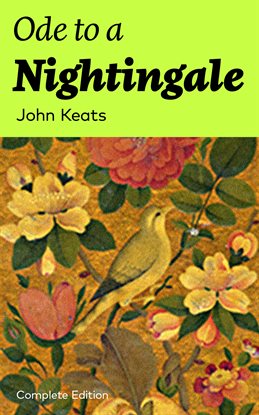
Keats’s Ode to a Nightingale
(Stanza keatsiana) Migratory insectivorous species that can often be found nesting on the ground, emitting a distinctive birdsong, and signifying the inevitability of mortality. So, I mean: a little bit of a bummer, as birds go.
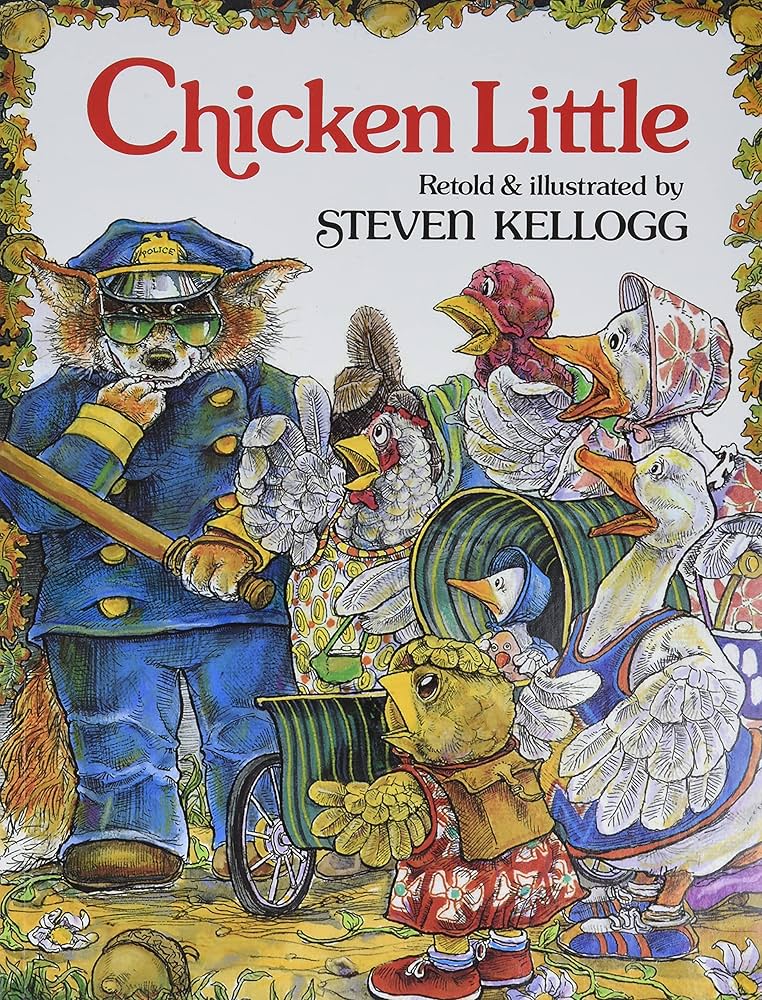
(Hysterica pessimisticus) Domesticated fowl of diminutive size and gloomy outlook, found in barns and folktales. Habits include communal living, scratching at the soil, fearmongering.
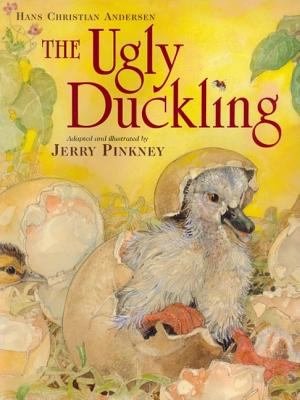
(Ersatzduck secretcygnet) A waterfowl marked by downy plumage and self-esteem issues, vulnerable to northern mites and body-shaming. Distantly related to Odette from Swan Lake, Björk’s red-carpet dress, and every young woman in a movie who ever took off her glasses and shook a hair bun loose.
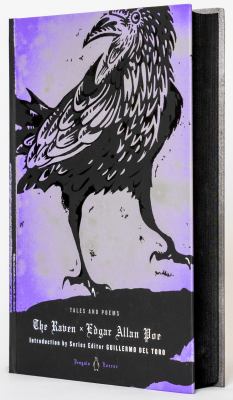
Poe’s The Raven
(Quothicus nevermore) Large-bodied passerine; its throat hackles are well-developed, its vocabulary not so much. Behaviorists note that, when in flight, its wings are flapping, flapping, flapping slapping forevermore. The bird’s call is sonorous, its rhyme scheme relentless.
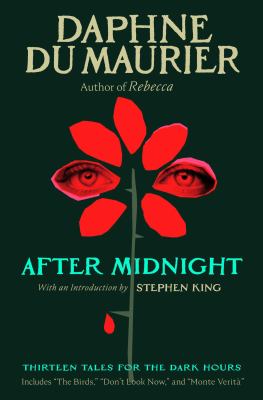
Du Maurier’s The Birds
(Tippihedren hitchcockus) Highly communal, extraordinarily coordinated, inconveniently pointy. When spotted in the wild, take note of coloring, flight patterns, and all available exits.
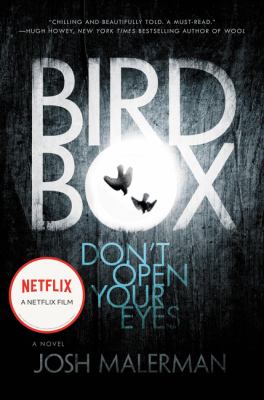
Josh Malerman’s Bird Box
(Postapocalypticus agitus) Not generally satisfying as domesticated pets, somewhat more useful as a domesticated alarm system. Difficult to spot and catalog in a birdwatching context because of that blindfold you’re wearing.
Did you like this blog post? Keep up to date with all of our posts by subscribing to the Library’s newsletters!
Keep your reading list updated with our book lists. Our staff love to read and they’ll give you the scoop on new tv-series inspired titles, hobbies, educational resources, pop culture, current events, and more!
Looking for more great titles? Get personalized recommendations from our librarians with this simple form.