
Immigrant Stories: An Interview with Shyam Suchak
Posted on June 30, 2026
by Welcome New Americans Work Group
Immigrant Heritage Month gives people across the United States an opportunity to annually explore our country’s heritage and celebrate the shared diversity that forms the unique story of America.
The letter below is a part of a Welcome Toledo-Lucas County story telling series, bringing to life first-hand accounts from our immigrant, refugee, and diverse community members who call Toledo and Lucas County, home. We celebrate their contributions, especially this Immigrant Heritage Month, an annual celebration of our nation’s shared immigrant heritage and cultural diversity.
We are glad to share stories showing the way our diverse local communities enrich our daily lives. It’s time to #CelebrateImmigrants!
How did you come to Toledo-Lucas County?
I came to the United States in August of 2001, just weeks before 9/11. I was 25 years old and arrived in Detroit after living in India for four years. My sister picked me up from the airport and drove me to Toledo. I still remember that drive vividly — the expressways, the greenery, the endless flow of cars — all seen through the haze of jet lag, uncertainty, and anticipation.
Although I was born and raised in Tanzania and come from an Indian family background, I had spent several years in Mumbai before moving to the United States. At that point in my life, I had started building independence and creating an identity for myself. I had opened and operated a dance institute with over 70 students, built friendships, and found confidence in creating a life on my own terms. Leaving that behind was incredibly difficult.
I came to the United States through family sponsorship. My mother had been sponsored by my older sister, who had moved here after getting married. While I was grateful for the opportunity, emotionally the transition was much harder than I anticipated. Even though I was staying with family, I struggled with loneliness and a sense of not fully belonging. My sister and I had never really lived together for long periods growing up because she was 15 years older than me and had spent much of her life away for studies before getting married. In many ways, we were learning each other while I was simultaneously trying to learn an entirely new country and way of life.
I felt overwhelmed by how dependent I suddenly became again. In India, I had begun establishing financial independence, purpose, and confidence. In the United States, I found myself starting over from scratch. I did not know the systems, how to navigate transportation, how banking worked, how to search for jobs, or even how to fully understand the social and cultural expectations around me.
I briefly tried moving to Boston to be closer to a friend, thinking it might help ease the transition, but that experience felt even more overwhelming. Even though I had lived in Mumbai — a large, busy metropolitan city — Boston felt intimidating in an entirely different way. Eventually, I returned to Toledo.
Those early years required a great deal of adjustment and resilience. I learned how to drive in the United States, navigated limited public transportation before owning a car, worked multiple jobs that I never imagined I would be doing, and eventually returned to school at the University of Toledo to pursue a new degree and career path.
One of the biggest surprises for me was the culture shock around communication and social norms. English was part of my education growing up, but understanding accents, slang, pronunciation, and conversational nuances took time. I remember the discomfort of constantly being asked to repeat myself or trying to understand things that seemed second nature to others — like how Robert becomes Bob or Richard becomes Dick.
There were also cultural differences around communication styles and authority. In my upbringing, maintaining direct eye contact with elders or authority figures was not always encouraged in the same way it is here. At the same time, there were many aspects of life in America that I appreciated deeply: systems that were easier to navigate, openness in communication, the ability to respectfully challenge ideas, and opportunities that often felt more accessible regardless of background.
Life in Tanzania had been much slower paced and community-oriented. Time with family, social gatherings, and even daily trips to the beach were part of normal life. In contrast, life in America felt constantly busy and structured. Yet I also noticed opportunities and freedoms that were different from what I had previously experienced.
Ironically, what I missed most was not Tanzania itself, but India — the friendships, the culture, the food, the familiarity, and the sense of identity I had built there.
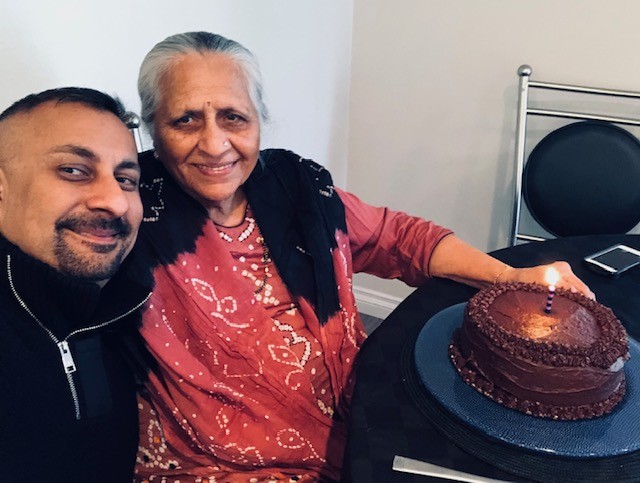
One of the greatest influences during that transition was my mother. Her resilience became a model for me. In Tanzania, she had primarily been a housewife, but after moving to the United States, she entered the workforce for the first time after the age of 60 and continued working well into her 80s.
Watching her adapt, learn, and persevere taught me that it is never too late to rebuild, reinvent yourself, or pursue something unfamiliar.
What I initially believed would be a temporary stay in the United States slowly became a life, a purpose, and eventually a home.
What makes Toledo-Lucas County feel like home to you?
Toledo slowly became home for me somewhere around 2003 or 2004. Up until then, I still viewed my life in the United States as temporary. I was trying to adjust, survive, and figure out who I was going to become in this new environment. I had spent the first couple of years learning how to navigate systems, working jobs I never imagined myself doing, returning to school, and trying to rebuild a sense of identity and purpose.
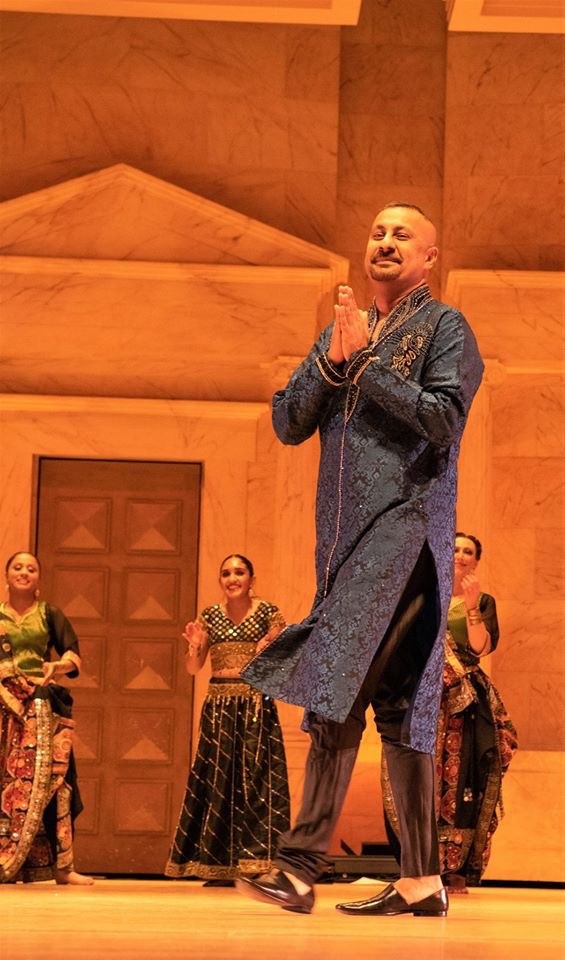
One of the turning points came when members of the local Indian community learned about my background in dance and approached me about choreographing performances. Dance had always been an important part of my life and identity. It was one of the first things that truly made me feel connected again to myself after immigrating.
That opportunity eventually evolved into co-founding AHA Dance Classes with my former business partner, Sangeeta Mehta. What started as choreography and classes gradually became performances, cultural events, and community engagement opportunities across the region. Even after my partner moved away, I continued building that creative space and remained involved in cultural programming and performances throughout the community. Some of the experiences I am most proud of include multiple performances at the during the museum’s block parties and Great Art Escape events.
For the first time since moving to the United States, I began to feel like different parts of my identity were coming back together — my creativity, culture, passion for service, leadership, and desire for community connection. Around the same time, I was also growing professionally within the nonprofit sector, particularly in the developmental disabilities field, which became an unexpected but deeply meaningful career path for me.
As I became more involved in the community, Toledo started feeling less like a place I happened to live and more like a place where I belonged. Even after many members of my family eventually moved away from Toledo, I chose to stay because this community became part of who I was.
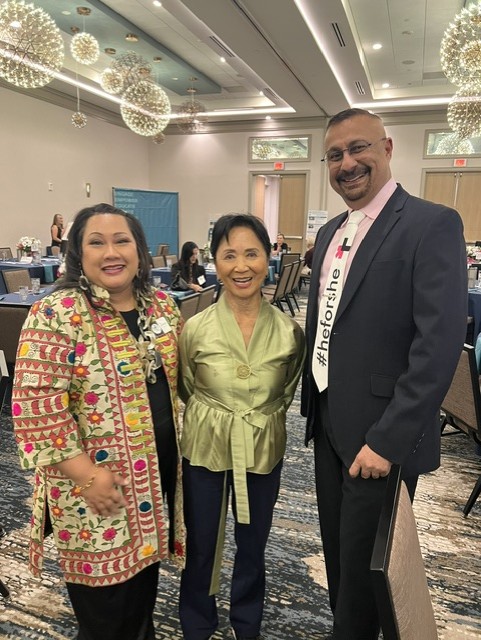
My connection to Toledo deepened further while pursuing my Master’s degree in Organizational Leadership. I have always believed in being of service, and over time that commitment led me into broader community involvement — serving as a board member with the Autism Society of Northwest Ohio, participating in fundraising and cultural performances for organizations like Mobile Meals of Toledo, and continuing to grow as a leader within the developmental disabilities field.
Participating in the Leadership Toledo Signature Program in 2010 was another important milestone. Experiences like these helped me build relationships, understand the community more deeply, and find spaces where I could contribute meaningfully. They also helped me realize that Toledo was not simply where I had settled — it was where I had built my life.
Professionally and personally, so much of who I am today was shaped here. Toledo gave me opportunities to grow into leadership, pursue higher education, and develop confidence in my voice and abilities. I built my professional identity here, but more importantly, I built a sense of purpose and belonging.
One organization that has profoundly shaped my journey is where I have had the privilege of growing both personally and professionally over many years. What began as work in a field I never anticipated entering evolved into a lifelong passion for service, advocacy, leadership, and supporting individuals with developmental disabilities. Today, I am honored to serve as the organization’s Chief Operating Officer.
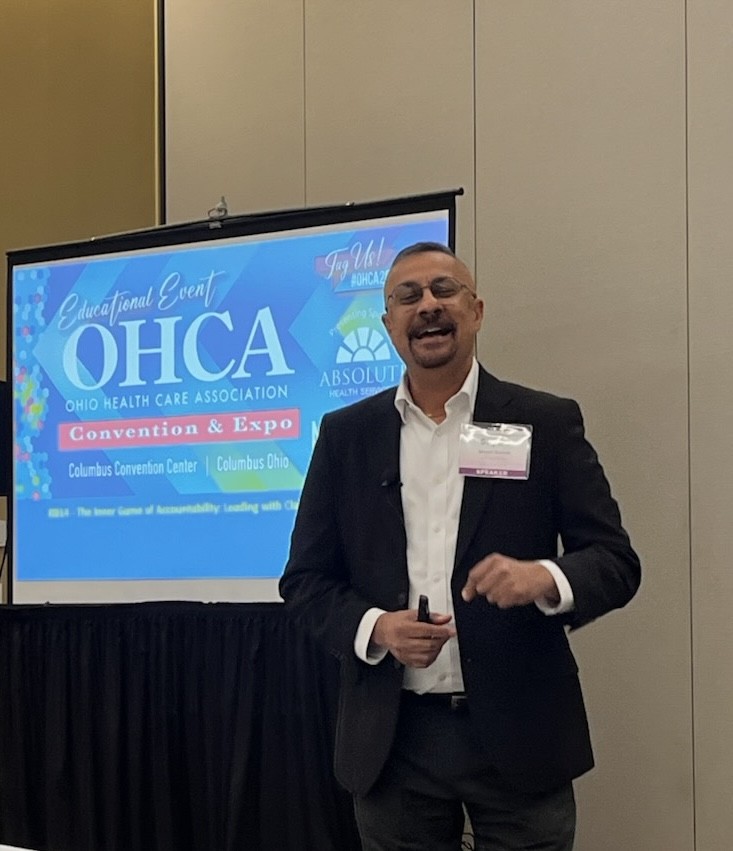
Toledo also gave me the confidence to continue evolving beyond what I originally imagined for myself. I later earned a second Master’s degree in Clinical Mental Health Counseling from Spring Arbor University and recently launched my own counseling practice, Saha Counseling, in addition to my work in nonprofit leadership. I now have opportunities to speak at conferences, support leaders and professionals, and continue contributing to conversations around leadership, mental health, inclusion, and community impact.
This is where I was able to become a home owner, and establish a certain lifestyle I had never imagined I could.
I owe Toledo a great deal. The people, organizations, and experiences here allowed me to be authentic, ambitious, creative, and purpose-driven. This community gave me the space not only to rebuild my life, but to become the person and professional I was meant to be.
What are your favorite aspects of the Toledo-Lucas County community?
One of the things I appreciate most about the Toledo-Lucas County community is that it genuinely feels welcoming and accessible while continuing to grow and evolve. There is space here for people from different backgrounds, cultures, and experiences to be themselves and contribute meaningfully to the community. I have always appreciated that Toledo allows people to bring their individuality, talents, traditions, and perspectives into the larger fabric of the city in ways that enrich everyone around them.
I also appreciate the balance Toledo offers. It has many of the opportunities, resources, and cultural experiences of larger cities while still feeling connected and manageable. The affordability of the area and its location make it possible to build a life, pursue opportunities, and remain connected to other cities and communities without feeling overwhelmed by the pace that often comes with larger metropolitan areas.
What stands out most to me, however, is the sense of community spirit and service. There are so many individuals and organizations here that are deeply committed to improving the lives of others. Through my work in the nonprofit sector and community involvement, I have witnessed how passionate people are about supporting mission-driven work, helping one another, and investing in causes that strengthen the community as a whole.
I love the cultural and community spaces that make Toledo unique. Places like the Toledo Museum of Art, the Toledo Zoo, the Metroparks, festivals, local events, and community gatherings create opportunities for people from all walks of life to connect and experience something meaningful together. I especially value the ways Toledo embraces and showcases global cultures through community celebrations, performances, food, and cultural events.
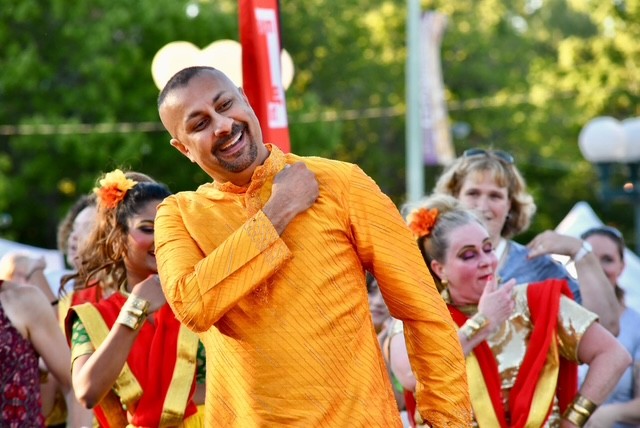
Maintaining connection to my cultural roots has remained very important to me. Through dance, I have been able to continue celebrating and sharing aspects of Indian culture with the broader community. I still teach, choreograph, and perform through a small performing group known on social media as Naach by Aha, where we perform Indian folk, semi-classical, and Bollywood dance styles. What began years ago as a way to reconnect with my own identity gradually became a way to build community, create cultural understanding, and bring people together through art and performance.
I have also appreciated the openness and curiosity many people in Toledo have toward learning about different cultures and traditions. Whether through cultural festivals, food, dance, music, or conversations, there is often a genuine interest in understanding and appreciating diverse experiences. That willingness to engage and learn from one another is something I deeply value.
Coming from East African and Indian cultural backgrounds, maintaining traditions, relationships, food, celebrations, and cultural values continues to be an important part of my life. At the same time, Toledo has given me the opportunity to integrate those parts of my identity into a broader sense of belonging and purpose within the community.
One thing that positively surprised me about Midwest culture was the sincerity and kindness of many people. While adapting to life in the United States came with challenges, I found that many individuals were willing to help, guide, encourage, and support others in practical and meaningful ways. Over time, those interactions and relationships helped transform Toledo from simply a place where I lived into a community where I truly felt connected.
Toledo has given me opportunities not only to build a career and professional identity, but also to contribute creatively, culturally, and personally. That combination of community, opportunity, service, and connection is what continues to make this area feel like home.
How do you feel you’ve contributed to the local community?
One of the most meaningful ways I have contributed to the Toledo-Lucas County community has been through creating spaces where people feel connected, supported, empowered, and included. As someone whose life has been shaped by multiple cultures and the experience of rebuilding identity after immigrating to the United States, I have always been drawn toward work centered around people, purpose, leadership, and community impact.
My path into nonprofit and community leadership was not something I originally planned. When I first arrived in Toledo, I was simply trying to adjust and rebuild my life. Over time, however, I discovered a deep sense of purpose in serving others and helping create stronger, more compassionate communities. What began as entry-level work in the developmental disabilities field evolved into more than two decades of leadership, advocacy, and service in the nonprofit sector.
Today, I am honored to serve as the Chief Operating Officer at Anne Grady Services, where I have had the opportunity to help support initiatives focused on inclusion, workforce development, organizational culture, leadership growth, awareness and advocacy, and services for individuals with intellectual and developmental disabilities. Through my work, I have become deeply passionate about helping organizations create environments where people feel respected, valued, empowered, and able to thrive.
Beyond my professional role, community engagement and leadership development have remained central parts of my journey. I have participated in numerous leadership and civic initiatives throughout the region, including graduating from Leadership Toledo’s Signature Program and serving in leadership and advisory roles focused on inclusion, equity, and community connection. One role that has been especially meaningful to me has been serving on the City of Toledo Human Relations Commission, where I have served in leadership as Second Vice Chair. Through this work, I have had opportunities to support initiatives centered around diversity, inclusion, youth engagement, community dialogue, and strengthening relationships across cultures and communities.
I have also been proud to serve as Chair for the HeForShe initiative, part of the United Nations solidarity movement focused on advancing gender equality and encouraging men to actively support and advocate for women, for three consecutive years.
This work is deeply personal to me. Growing up surrounded by strong women, including my mother and four sisters, shaped my understanding of resilience, equality, and empowerment from an early age. Through HeForShe, I have been able to participate in conversations and initiatives focused on allyship, respect, equity, and creating environments where women and girls are supported in reaching their full potential.
Another meaningful area of contribution has been through arts, culture, and youth engagement. Through AHA Dance Classes and Naach by Aha, I have spent years helping bring Indian cultural dance forms to audiences throughout northwest Ohio. Through performances, cultural programming, and community events, I have had opportunities to promote cultural appreciation and representation while helping create spaces where people can experience and celebrate cultures different from their own. I have also valued opportunities to support youth creativity and expression through involvement with organizations such as Children’s Theater Workshop as I served on their board.
Mental health advocacy and counseling have also become deeply important to my work and purpose. In addition to my nonprofit leadership role, I earned a second Master’s degree in Clinical Mental Health Counseling and recently launched Saha Counseling. Through counseling, leadership development, and community conversations around emotional wellness, I hope to help individuals navigate stress, burnout, anxiety, trauma, identity, relationships, and personal growth while also helping organizations better understand the importance of healthy workplace culture and authentic human connection.
My immigrant and multicultural experiences have profoundly influenced my leadership style and desire to help others. Navigating different cultures taught me empathy, adaptability, humility, resilience, and the importance of making people feel welcomed and valued. It also taught me how isolating it can feel when you are searching for belonging and identity in unfamiliar spaces.
Because of those experiences, I try to lead and serve in ways that help people feel respected, heard, included, and empowered. Whether through nonprofit leadership, counseling, advocacy, mentorship, cultural engagement, or community service, my hope is that the work I do contributes to building stronger, more compassionate, and more connected communities.
At the heart of everything I do is the belief that people deserve opportunities to grow, heal, belong, contribute, and live meaningful lives. Toledo gave me opportunities to rebuild, rediscover purpose, and evolve into the person I am today. Being able to give back to this community in return has been one of the greatest privileges of my life journey.
What does a welcoming Toledo-Lucas County community look like to you?
To me, a welcoming Toledo-Lucas County community is one where people feel like they truly belong without having to erase parts of who they are in order to fit in. It is a community where people from different cultures, backgrounds, identities, faiths, abilities, and experiences are not simply tolerated, but genuinely valued for what they bring to the community.
As an immigrant, I think one of the biggest things that helps people feel welcome is connection. Moving to a new country is not just about changing geography — it is about rebuilding familiarity, confidence, identity, relationships, and often even a sense of self. Small things matter deeply during that process. People taking the time to ask questions, show curiosity about your culture, invite you into spaces, explain systems without judgment, pronounce your name correctly, or simply make you feel included can have a lasting impact.
I think immigrants and diverse communities also feel welcomed when they are able to participate meaningfully in the life of the community rather than feeling like outsiders observing from the sidelines. Inclusion, to me, is not just representation in photos or statements about diversity. It is creating environments where people feel heard, respected, supported, and given opportunities to contribute, lead, create, and grow.
At the same time, I think many immigrants still face challenges that people may not always fully see or understand. There is often an emotional and psychological adjustment that happens beneath the surface. People may appear to be functioning well externally while internally navigating loneliness, uncertainty, cultural confusion, financial pressure, language barriers, identity shifts, or the grief that comes with leaving behind familiar people, places, and ways of life.
I remember how difficult it was in my early years in the United States to constantly feel like I was learning things everyone else already seemed to understand. Simple tasks like navigating transportation, banking systems, job applications, driving, or communication styles could feel overwhelming. Even understanding humor, slang, accents, or social expectations took time. There are moments immigrants can feel excluded without anyone intentionally trying to exclude them. Sometimes it is subtle — not understanding a conversation, feeling hesitant to speak because of an accent, or feeling like you constantly need to prove yourself or explain yourself.
At the same time, I have also experienced incredible kindness and support within this community. I have met people who opened doors, encouraged me, believed in me, collaborated with me, and created opportunities for me to grow personally and professionally. Those experiences mattered deeply because they helped transform Toledo from a place I lived into a place where I felt connected and valued.
One thing I wish people understood better about immigrant experiences is that immigrants are not leaving behind only places, they are often leaving behind entire versions of themselves. Careers, identities, social status, friendships, routines, confidence, and familiarity can all shift dramatically after immigration. There is often an invisible process of rebuilding happening while trying to adapt and succeed at the same time.
I also wish people understood that maintaining one’s culture while integrating into a new community is not resistance to belonging. In many ways, sharing culture is an offering. Through dance, leadership, counseling, advocacy, and community involvement, I have tried to bring different parts of my identity into the spaces I occupy because I believe communities become stronger when people are able to authentically share who they are.
The kind of Toledo I hope continues to grow is one that remains compassionate, curious, inclusive, and community-oriented. I hope it continues creating opportunities for people from all backgrounds to not only succeed professionally, but to feel emotionally connected and represented within the community. I hope it continues investing in diversity, mental health, accessibility, youth engagement, cultural expression, and spaces where difficult but meaningful conversations can happen respectfully.
Most importantly, I hope Toledo continues being a place where people feel that they matter, regardless of where they come from, what they look like, how they speak, what they believe, or what experiences they carry with them. That, to me, is what truly makes a community welcoming.
Is there anything else you would like to share with us about your story?
Living across three continents (Africa, Asia, and North America) has taught me that people are far more connected than divided. While cultures, languages, traditions, religions, and lifestyles may differ, at the core, people are often searching for many of the same things: belonging, opportunity, safety, purpose, connection, and hope for themselves and their families.
I carry immense pride in my heritage and in the experiences that shaped me. Being born and raised in Tanzania, growing through formative years in India, and building my adult life in the United States has given me the ability to see the world through multiple lenses. It has taught me adaptability, resilience, empathy, and appreciation for diversity in all its forms. It has also shown me that identity is not always singular. I have learned that it is possible to honor where you come from while also embracing where you are and who you are continuing to become.
One of the biggest lessons I have learned through immigration and multicultural experiences is the importance of leading with compassion, curiosity, and kindness rather than judgment, fear, or isolation. So much division happens when people stop being curious about one another. When we reduce people to assumptions, labels, accents, appearances, or stereotypes, we lose opportunities to connect as human beings. Some of the most meaningful experiences in my life have come from spaces where people were willing to listen, learn, ask questions respectfully, and embrace differences rather than fear them.
I believe inclusivity creates stronger communities, stronger organizations, and stronger human connections. Diverse communities bring perspectives, creativity, resilience, innovation, and richness that strengthen society as a whole. Immigrants and refugees are not simply arriving with needs; they are also arriving with gifts, talents, stories, cultures, skills, and contributions that become part of the fabric of the community.
At the same time, I believe our nation, which has been built through generations of immigration, must continue strengthening systems and resources that support immigrants and refugee communities in meaningful and humane ways. Beyond legal processes, there are emotional, cultural, financial, educational, and mental health challenges that often accompany immigration. Helping people navigate those transitions with dignity, support, and understanding ultimately benefits entire communities.
I also hope younger generations grow up in environments where diversity is viewed as something to value rather than fear. I hope they continue creating communities where people can hold onto their culture and identity while also feeling connected to something larger than themselves. Representation, inclusion, cultural expression, and equitable opportunities matter because they help people feel seen and valued.
If there is one thing I would want future immigrants to know, it is that rebuilding takes time and that it is okay for growth and belonging to happen gradually. There may be moments of loneliness, uncertainty, frustration, or questioning your place, but there can also be incredible growth, purpose, connection, and transformation on the other side of those experiences.
Looking back, I never could have imagined the life I would build in Toledo when I first arrived here in 2001 feeling uncertain, overwhelmed and at one point desperate to move back. The journey was not always easy, but it shaped me in meaningful ways and connected me to people, opportunities, and purpose that I deeply value today.
More than anything, I remain grateful; grateful for the resilience of my family, for the cultures and experiences that shaped me, for the people who supported me along the way, and for a community that eventually became home. My hope is that we continue building communities where people feel welcomed not despite their differences, but because those differences help make us stronger together.
Did you like this blog post? Keep up to date with all of our posts by subscribing to the Library’s newsletters!
Keep your reading list updated with our book lists. Our staff love to read and they’ll give you the scoop on new tv-series inspired titles, hobbies, educational resources, pop culture, current events, and more!
Looking for more great titles? Get personalized recommendations from our librarians with this simple form.