
The Oliphant in the Room: Remembering Pat Oliphant
Posted on July 23, 2026
by Eric P
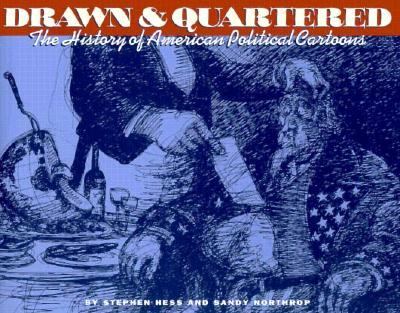
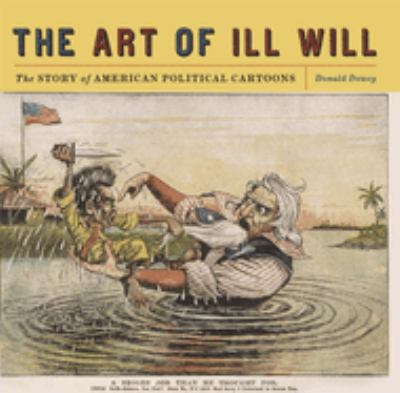
Some credit Benjamin Franklin with drawing America’s first political cartoon – and why not; seems like he was the first to do just about everything else. That cartoon from 1754 – exhorting the British colonies of North America to “Join, or die” – was arguably instrumental in eventually creating the sense of unity that helped drive colonists toward fighting for independence.
Not bad for a few inky lines on paper. (And apologies to Ben, but it wasn’t even that great a cartoon.) But Franklin’s pugilistic successors have a long history of publishing comics with outsized real-world influence. Thomas Nast’s cartoons brought down the corrupt political machine of New York City’s Boss Tweed. A Teddy Roosevelt cartoon by Clifford Berryman basically invented the teddy bear. Bill Mauldin was summoned to a personal meeting by General Patton who tried to intimidate him into softening the realism in his classic Willie and Joe cartoons during WWII. (Spoiler alert: he didn’t.) A Herblock cartoon coined the term “McCarthyism.” When Garry Trudeau published a series of Doonesbury strips following an explorer through Reagan’s brain, newspaper editors got nervous that they might influence the outcome of the presidential election. (Spoiler alert: they didn’t.) And just last year, in a resonant example of what can happen when you bite the hand that feeds you, Ann Telnaes left her gig at the Washington Post after they declined to publish her cartoon mocking Jeff Bezos who [checks notes] happens to own the Washington Post.
Even this most cursory overview makes it clear that political cartoonists are, as a species, fierce and contrary creatures, snarky and rebellious, unafraid of authority and hostile to abuses of power. It’s also notable that each of the examples cited above represents just one drop in their cartoonists’ oceanic output – each of those artists generated dozens or hundreds of other cartoons just as opinionated and inflammatory. (Well, not Benjamin Franklin; he had other stuff on his plate.) Editorial cartoonists are prolific creatures.
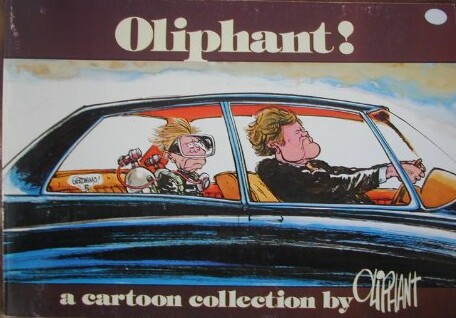
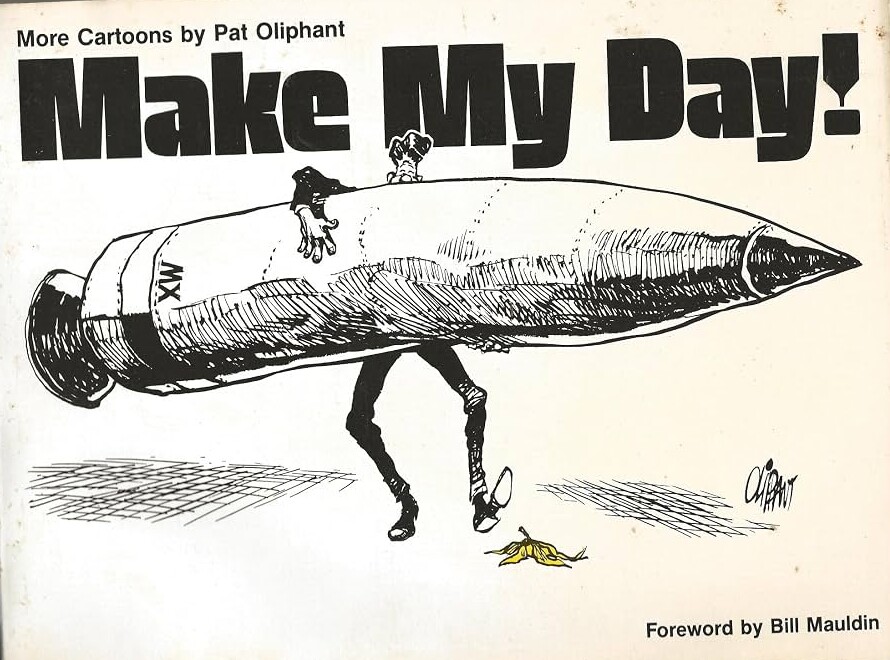
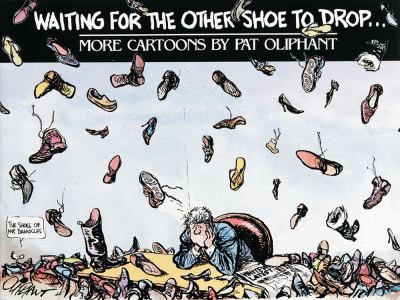
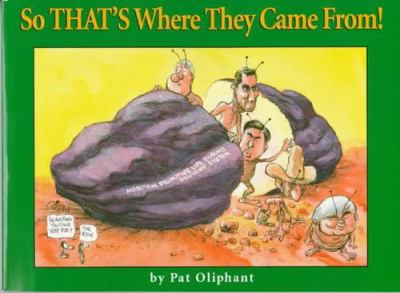
And perhaps none were as prolific – or as influential – as Pat Oliphant, who died July 13 at the age of 90. Without much formal training, Oliphant brought an exquisite draftsman’s hand and an unforgiving moralist’s eye to the news headlines of the day from the Vietnam War in the 1960s to the Trump administration in the 2010s. Oliphant drew a lot of criticism for his pugnacious drawings – from the Catholic League and the Simon Wiesenthal Center, from feminists and LGBT groups, from readers who found his caricatures bigoted and stereotypical. Some of these objections were probably on-target, but Oliphant weathered the storm by being a genuinely equal-opportunity offender – no party’s folly was immune to his withering, cross-hatched judgment.
And Oliphant gave as good as he got. He thought the Pulitzer Prize for Editorial Cartooning was weak and worthless, even though he won it. He thought Bloom County was dumb and hacky. He loathed cartoonists who came after him for aping his style. He had, in short, a perfect temperament for a political cartoonist. But his passing prompts a reflection on the future of Oliphant’s chosen art form: in a culture where print journalism is embattled and political attitudes are so balkanized, is America ever going to see another cartoonist with the reach, the influence and the fearlessness of a Pat Oliphant? Or are those talented voices doomed to cluster in the margins muttering sardonic asides like Oliphant’s little penguin mascot used to do?

Did you like this blog post? Keep up to date with all of our posts by subscribing to the Library’s newsletters!
Keep your reading list updated with our book lists. Our staff love to read and they’ll give you the scoop on new tv-series inspired titles, hobbies, educational resources, pop culture, current events, and more!
Looking for more great titles? Get personalized recommendations from our librarians with this simple form.