
Immigrant Stories: Bringing Heritage to a New Home
Posted on June 29, 2026
by Welcome New Americans Work Group
Immigrant Heritage Month gives people across the United States an opportunity to explore our country’s heritage and celebrate the shared diversity that forms the unique story of America.
The letter below is a part of a Welcome Toledo-Lucas County storytelling series, bringing to life first-hand accounts from our immigrant, refugee, and diverse community members who call Toledo and Lucas County home. We celebrate their contributions, especially this Immigrant Heritage Month, an annual celebration of our nation’s shared immigrant heritage and cultural diversity.
We are glad to share stories showing the way our diverse local communities enrich our daily lives. It’s time to #CelebrateImmigrants!
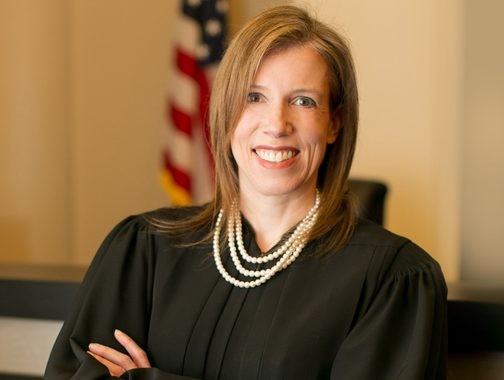
Immigrant Heritage Month Storytelling Series: Judge Christine E. Mayle
Like so many of us in this community, my story began in other parts of the world. My mother immigrated from Portugal, and my father’s parents came from Ireland, eventually settling in New York where I grew up. Although Toledo was not part of my parents’ journey, it became part of mine when I moved here a few years after law school to start my own family. I am proud that my husband and I decided to raise our children here, building a life of our own while continuing the traditions that shaped our upbringings.
My mother, Olinda, was raised in northern Portugal, where my grandmother washed laundry at a local seminary and my grandfather worked in a metalworking factory. Starting at age 14, my mom worked during the day at a store selling raincoats and went to school at night. On her way to night school, she often stopped to pray in the Church of Carmo for the Lord’s help in getting to America. At that time, Portugal was under the authoritarian rule of Salazar, and it was difficult to obtain a visa to leave the country. Eventually, with the help of her parish priest, she obtained a coveted visa.
At the age of 19, my mom left Portugal for Eastbourne, England, where she worked at a boarding school and then as a housekeeper in the Grand Hotel. After five years in England—during which time she learned English—she came to America as an au pair for a family with 11 children. In her late 20s, she got a job with the New York Telephone Company. She would ride the bus to work, often flirting with a handsome Irish cop named Jim who directed traffic on her bus route.
That young police officer—my father—was the only child of two Irish immigrants who came to this country through Ellis Island. He was raised in the Irish tenements of the South Bronx. After attending high school, he began working as a car cleaner in Grand Central Terminal at the age of 17. He then trained to be an electrician and joined the local IBEW, working primarily for the old New York Central Railroad. When he was 29, he saw a newspaper advertisement that the White Plains Police Department was hiring, and he decided to apply. He joined as a patrolman that year and eventually retired as a Captain after 32 years of service.
Growing up, my parents surrounded me and my brother with our Portuguese and Irish heritage. Our house was filled with many images of the colorful Galo de Barcelos—the Portuguese rooster—alongside Irish blessings and crosses. We listened to the fado music of Amália Rodrigues (especially when my mom was cleaning the house) and the foot-stomping tunes of The Clancy Brothers. We joined friends at the local Portuguese Club for celebrations and festas, often with traditional folk dances by ranchos folclóricos featuring clacking castanholas (hollowed wooden shells connected by a string), twirling women in colorful scarves and skirts, and lively, synchronized footwork. St. Patrick’s Day was a month-long celebration for us, filled with performances by the pipes and drums of the police department’s Emerald Society. I took Irish step dancing lessons—but I never made it past living room performances for family.
My mom was an amazing cook, and I grew up eating traditional Portuguese dishes. My favorites were her tomato rice, aletria (which we called “sweet spaghetti”), and caldo verde (a traditional soup with chouriço, potatoes, and kale). I’d sit in the kitchen and watch my mom cut thin strips of kale for the caldo verde, and she would always talk about watching her mom do the same thing, and how quickly my grandmother could slice the kale into the razor-thin strips. After my mom passed away a few years ago, I mail-ordered Portuguese chouriço and made caldo verde myself for the first time—trying to slice the kale as thin as she did. When I had my first bite of the soup, I cried. The soup tasted just like home. In that moment, I felt both closer to my mom and overwhelmed by her absence.
I think all of us—especially members of immigrant families—understand how food can do that. It has a unique way of carrying culture across time and distance. Even when places change, the act of preparing a familiar dish brings an immediate reconnection to family and tradition. And when that dish is shared, it also connects people, bridging homes and inviting us to step into someone else’s story.
For example, when I attended my first community Iftar dinner in Toledo and bit into a date at the beginning of the meal, I felt both welcomed and moved by the significance of this simple act. Then, as we ate the delicious meal that was unlike the ones I grew up with, it nonetheless reminded me of the warmth and generosity my mom poured into her own cooking. In Toledo, moments like this are easy to find: when I’m handed kabuli pulao from the Afghanistan booth at the Islamic Society of Northwest Ohio’s Community Day, baklava from the dessert table at the Greek-American Festival, or a homemade Indian meal in the loving kitchen of our immigrant next-door neighbors, I know that it’s more than just food; they’re inviting me into their culture, their story, and a piece of home. It’s a meaningful and generous way of keeping their roots alive while fostering bonds across communities. I’m always grateful to be a part of that.
I truly love that Toledo’s diverse immigrant communities take great pride in their heritage, preserving traditions while opening them up to others. I feel lucky to live in a community that welcomes people not in spite of their differences, but because of them. It’s a place that doesn’t just honor the many different places we came from, but celebrates them, and helps ensure that all of our individual stories continue to be told.
Thank you for the opportunity to share mine, and thank you Welcome Toledo-Lucas County for the work that you do to maintain a welcoming and inclusive community for all.
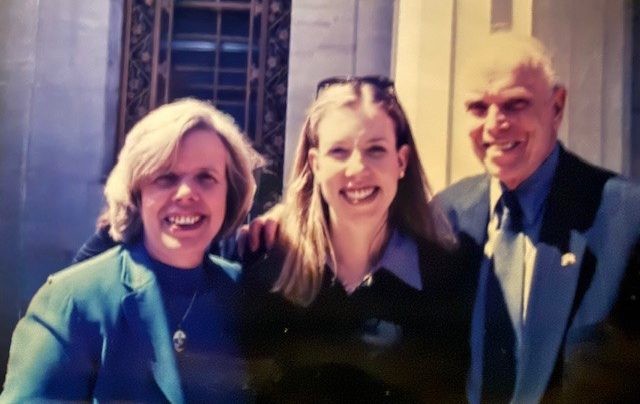
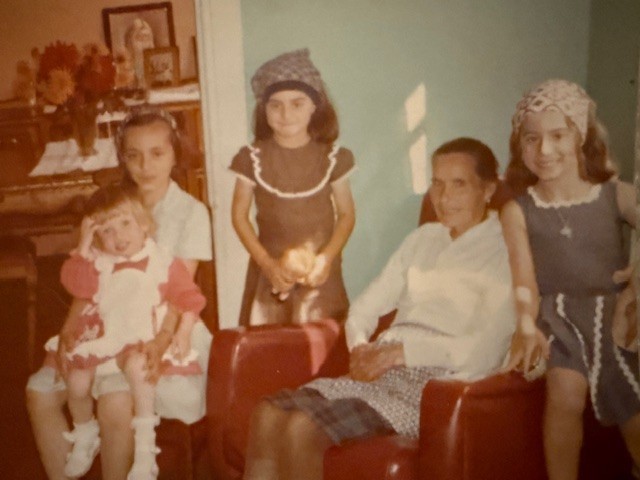
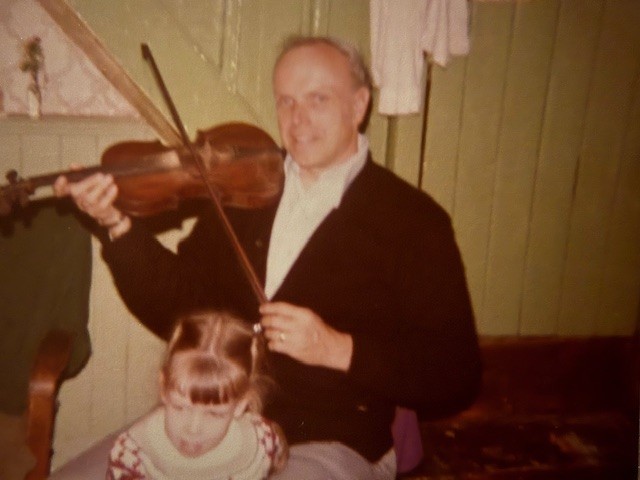
Photos from left to right: (1) with parents after being sworn into the New York bar as a lawyer; (2) with Vovo (grandma) and first cousins in Portugal; (3) with dad posing with grandfather’s fiddle.
Did you like this blog post? Keep up to date with all of our posts by subscribing to the Library’s newsletters!
Keep your reading list updated with our book lists. Our staff love to read and they’ll give you the scoop on new tv-series inspired titles, hobbies, educational resources, pop culture, current events, and more!
Looking for more great titles? Get personalized recommendations from our librarians with this simple form.